The influence of starch ether on the performance of exterior wall putty
Ⅰ.The "invisible helper" for exterior wall putty: What is starch ether?
Exterior wall putty often faces problems such as cracking, powdering, and poor weather resistance. However, a seemingly insignificant additive—starch ether—can improve these issues from the root!
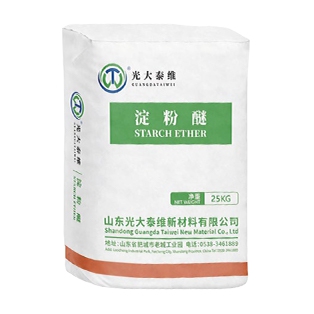
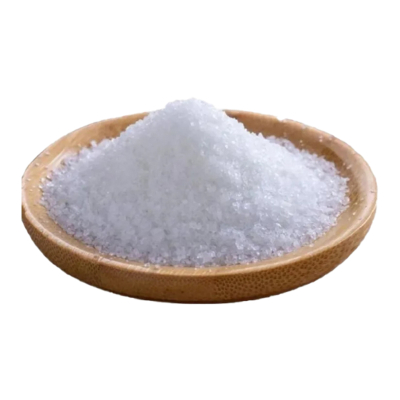
Starch ether is a white powder extracted and modified from natural starch. It is highly water-soluble and, when mixed with the cement and fillers in exterior wall putty, acts like an "optimizing agent," subtly improving various properties without compromising environmental friendliness.
Ⅱ.Four key impacts of starch ether on exterior wall putty, practical and crucial:
1. Easier application, praised by contractors
Exterior wall construction environments are complex, and starch ether optimizes the workability of the putty:
It allows for smooth application of the putty, making it effortless to spread and preventing it from sticking to the trowel;
It reduces sagging, making it less likely to slide down even when applied to vertical walls;
It makes finishing easier, allowing for quick creation of a smooth base layer and improving construction efficiency.
2. Enhanced Adhesion, Say Goodbye to Powdering and Peeling
If the exterior wall putty doesn't adhere well, it's prone to powdering and peeling later. Starch ether can:
Enhance the adhesion between the putty and the wall substrate, firmly "gripping" the wall surface;
Improve the internal cohesion of the putty itself, making it less likely to powder or peel after drying;
Even on rough surfaces, it ensures strong adhesion and extends the service life.
3. Weather-resistant and crack-resistant, able to withstand wind and sun exposure
Exterior walls are exposed to the elements for extended periods, and starch ether can enhance the stability of the putty:
It improves the flexibility of the putty, allowing it to withstand minor deformations caused by temperature changes and wall settlement, thus reducing cracking;
It enhances water resistance and weather resistance, resisting rainwater erosion and UV radiation, preventing blistering and discoloration;
It improves the structural density of the putty, reducing water penetration and preventing internal dampness and mold growth.
4. Water Retention and Moisture Locking, Preventing Rapid Drying
During construction, if the putty dries too quickly, it can easily lead to shrinkage cracks. The water retention properties of starch ether are crucial:
It locks in the moisture in the putty, slowing down the drying speed and giving the cement sufficient time for hydration;
It prevents surface sanding and cracking caused by rapid water evaporation;
It is especially suitable for construction in high-temperature and dry environments, ensuring stable putty quality.
III. Tips: Add Appropriately for Double the Effect
While starch ether is beneficial, its addition amount should be controlled (generally 0.05%-0.2% of the total putty weight):
Excessive amounts can lead to slower drying and a sticky surface;
Using it in combination with cellulose ether can synergistically improve water retention and workability, resulting in better performance;
Choose modified starch ether that meets building material standards; it is environmentally friendly, odorless, and suitable for exterior wall applications.