The role of redispersible latex powder in tile adhesive
Ⅰ.Avoid these renovation pitfalls: The real culprit behind detached tiles?
Just a few years after renovation, wall tiles suddenly become hollow and fall off, affecting not only aesthetics but also posing safety hazards! Many people assume it's due to poor tile quality or incompetent installers, but the core problem might actually lie in the tile adhesive lacking a "key ingredient." This "invisible hero" that allows tiles to firmly adhere to the wall and eliminates the hassle of detachment is redispersible latex powder!
Ⅱ.What is redispersible latex powder?
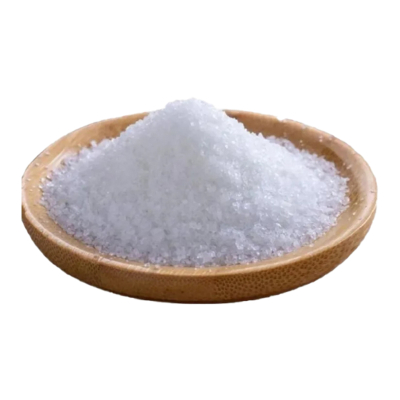
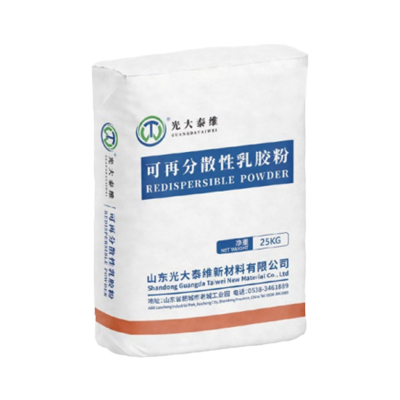
Simply put, it is a magical powder that "regenerates upon contact with water": 1. It is essentially a white powder made from polymer emulsion through spray drying; 2. It can redisperse into an emulsion upon contact with water, perfectly blending with components such as cement and sand; 3. After drying, it forms a tough "adhesive film," locking the tiles and the substrate together like "invisible glue."
Ⅲ.It plays three essential roles in tile adhesive, none of which can be omitted!
1. Super strong adhesion: Makes tiles “welded” to the wall Ordinary tile adhesive (only cement + sand) has weak adhesion, especially when facing large-sized tiles, vitrified tiles and other low water absorption tiles, which are easy to fall off.
(1) The adhesive film formed by latex powder can penetrate the micropores of the tile and the gaps in the base layer, forming a double fixation of “physical adsorption + chemical bonding”;
(2) It greatly improves the tensile bonding strength of tile adhesive, and can firmly adhere even when exposed to moisture and alternating hot and cold for a long time.
2. Flexibility buff: Deals with deformation without cracking The base layer of the wall (such as cement mortar, concrete) will undergo slight deformation due to temperature changes and settlement. Ordinary tile adhesive is rigid and is easy to crack, resulting in hollow tiles.
(1) The polymer film of latex powder has good elasticity and flexibility, absorbing deformation stress like a “buffer pad”;
(2) It effectively avoids cracking of the tile adhesive layer, reduces the risk of hollowing and falling off, and is especially suitable for exterior walls and underfloor heating environments.
3. Improved workability: Makes the work easier for the workers. Good tile adhesive not only needs to stick firmly, but also needs to be easy to apply!
(1) Latex powder can increase the water retention of tile adhesive, prevent water from being quickly absorbed by the base layer, and extend the open time of construction;
(2) Improve the lubricity and anti-slip properties of the mortar, making it less likely to slip when applying tiles, making it easier to adjust the position, and greatly improving the construction efficiency.
Ⅳ.For these scenarios, you must choose tile adhesive that contains latex powder!
1. Large-size ceramic tile/sintered stone slab installation (≥600×1200mm);
2. Low water absorption ceramic tiles (vitrified tiles, fully polished glazed tiles, etc.);
3. Damp environments such as exterior walls, bathrooms, and kitchens;
4. Areas with large temperature differences such as underfloor heating and balconies;
5. Scenarios for old wall renovation and uneven base layers.