A must-read for construction professionals! Five hidden uses for redispersible latex powder. Choosing the wrong one can be a big loss.
Have you ever experienced this kind of breakdown? The exterior wall putty peels right after you apply it, the self-leveling floor cracks after just a few days, and the tiles are always hollow... It's not that the construction was done poorly, but rather that you're missing a crucial "helper"—redispersible latex powder!
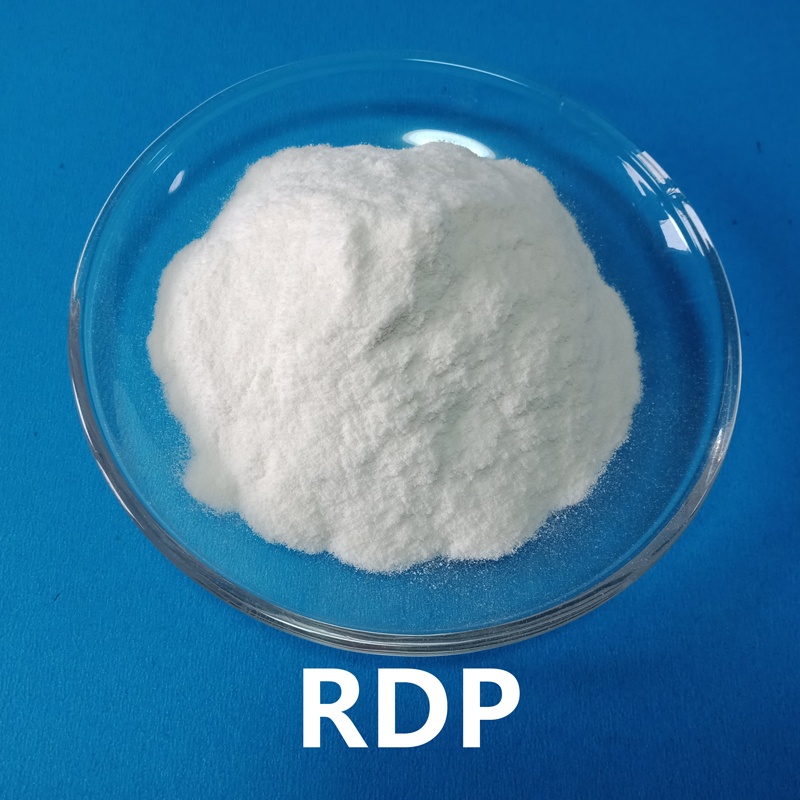
This material, which looks like "white powder", is known as the "universal additive" in the construction industry. Today, we will explore its core application scenarios. Whether it is construction or procurement, you can avoid detours after reading this~
Ⅰ- Wall Treatment
No more peeling and cracking! Walls are the face of a building, and latex powder is the key to providing that foundation:
1. The "anti-cracking magic weapon" in interior and exterior wall putty powder. Are your walls peeling or moldy? It's likely because the putty wasn't mixed with the right latex powder! It helps the putty adhere more firmly to the wall base and withstands temperature fluctuations—for example, if exterior walls are exposed to freezing in winter and sun in summer, a flexible putty with latex powder (usually 2%-5%) can reduce cracking.
2. Decorative Mortar/Diatom Mud: "Shaping Experts" When creating artistic paint or diatom mud background walls, are you most worried about difficulty shaping and easy staining? Adding latex powder to the material not only makes it smoother and easier to shape, but also improves stain resistance. For example, if your child draws on the wall, it will come off with a simple wipe, making daily cleaning a breeze!
Ⅱ- Floor engineering: the secret of smoothness and durability
If there is a problem with the ground, the cost of rework is very high! Latex powder can help you avoid these pitfalls:
1. Self-leveling mortar's "flow regulator." Want to install wood or PVC flooring but worried about uneven surfaces? Adding latex powder to your self-leveling mortar is the way to go! It allows the mortar to "self-level," ensuring even laying, whether it's a screed as thin as 1mm or a load-bearing layer as thick as 80mm. The finished floor is also wear- and pressure-resistant, lasting for over a decade.
2. Repair mortar's "repair pro." Is your outdoor floor corroded by snow removal agents or your concrete pavement cracked? Try repair mortar containing latex powder! It adheres tightly to the old floor, has low water absorption, and is frost-resistant—even in the coldest winters, the repaired area won't bulge or peel, making it far more durable than regular mortar.
Ⅲ- Insulation system: energy-saving and safe "guardian"
Nowadays, all buildings require insulation, and latex powder acts as a "safety lock" for the insulation layer:
1. An "anti-slip agent" for exterior wall insulation. When using polystyrene panels or foamed cement boards for exterior walls, are you most worried about the insulation layer falling off? Adding latex powder to the bonding mortar ensures a more stable bond between the insulation board and the wall. Adding it to the finishing mortar also helps it withstand impacts, such as wind, rain, and accidental bumps, preventing it from cracking or falling off.
2. The "bonding core" of thermal insulation mortar: latex powder. Everyone's familiar with polystyrene granule thermal insulation mortar, right? The latex powder is its "soul!" It firmly envelops the light polystyrene granules, creating a lightweight, breathable, and water-resistant insulation layer—insulating heat in summer and keeping warm in winter, helping buildings easily meet energy-saving standards.
Ⅳ- Adhesive sealing: the "savior" to say goodbye to hollowing and falling off
Whether it is tiling or doing interface treatment, latex powder can help you "stick firmly":
1. Tile Adhesive/Grout "Strengthener" - Are you experiencing hollowing during tile installation? Tile adhesive with latex powder can increase tensile bond strength by over 30%! It also offers a longer "open time"—for example, if tiles aren't aligned correctly, you have more time to adjust without rushing to meet deadlines. Adding a little to your grout can also prevent water seepage—no more mold or blackening between bathroom and kitchen tiles.
2. Interface Agent "Transition Layer" - Are your concrete or aerated concrete surfaces too smooth, causing hollowing during plastering? Applying a layer of interface agent containing latex powder creates a "bridge" between the smooth substrate and the plaster layer, making subsequent installation more reliable and eliminating the need for repeated repairs.
Ⅴ- Special scenarios:
These places can't do without it! In addition to regular scenarios, it can also hold these professional needs:
For bathroom/basement waterproofing:
Choose a latex powder containing a hydrophobic component (such as a vinyl chloride copolymer) to maximize the waterproofness of the mortar, eliminating moisture concerns.
For EPS molding installation:
Adding latex powder to the molding mortar prevents cracking and peeling, ensuring a longer-lasting exterior wall finish.
For equipment grouting:
Adding latex powder to non-shrinkage grouting improves fluidity and volume stability, ensuring a secure foundation for equipment and preventing future displacement.
Why is it considered a "universal additive"?
Three core advantages:
Environmentally friendly and safe: It contains no APEO, meeting current building environmental standards and ensuring peace of mind.
Comprehensive performance: It offers enhanced adhesion, flexibility, and abrasion resistance, eliminating the need for mixing multiple additives.
Installation is worry-free: The dry powder is easy to store and can be used on-site by simply adding water, making it easy for even novice users to apply.